
The evolution of gambling a historical perspective on games of chance
Early Beginnings of Gambling
The origins of gambling can be traced back thousands of years, with archaeological evidence suggesting that games of chance were played in ancient civilizations such as Mesopotamia and China. The earliest known dice, dating back to around 3000 BC, were found in these regions, indicating a fascination with chance and luck. As societies evolved, so did the complexity of their games, transitioning from simple dice games to more structured forms involving betting and stakes. Today, many players prefer the best online casino fast payout for a seamless experience.

In ancient Rome, gambling became a popular pastime among citizens, transcending social classes. The Romans introduced more organized betting systems, with various games that included betting on gladiatorial contests and chariot races. This formalization of gambling practices laid the groundwork for the more sophisticated gambling structures we see today. The Romans’ attitudes toward gambling were mixed; while some viewed it as an entertaining activity, others saw it as a vice, leading to debates about its moral implications.
In addition to the Romans, ancient Greeks contributed significantly to gambling culture by establishing various games that involved skill and luck. The Greeks were known for their public gambling venues, which allowed people to bet on outcomes of athletic competitions. These early forms of gambling played a crucial role in forming social interactions and community bonding, as people would gather to witness events and place bets, thereby enriching the cultural fabric of their societies.
The Middle Ages and the Rise of Formal Gambling Institutions
During the Middle Ages, gambling underwent significant changes, particularly in Europe. The emergence of card games, which were thought to have originated in China and spread to Europe through trade routes, introduced a new dimension to games of chance. These games quickly gained popularity across the continent, leading to the establishment of gambling houses and venues dedicated to card playing and betting.
The Catholic Church played a pivotal role in shaping the perception of gambling during this time. While it condemned certain practices, it also recognized the social and economic benefits that organized gambling could bring. As a result, various monarchies began regulating gambling to ensure fairness and to tax gambling revenues. This period marked the beginning of formal gambling institutions, with laws governing betting practices and the establishment of official lotteries.
The invention of the printing press further revolutionized the gambling scene by enabling the widespread distribution of gambling-related information. With more people able to access information about games and odds, gambling became more democratic, allowing even the lower classes to engage in various betting activities. This evolution paved the way for modern gambling practices, where informed betting plays a crucial role in the gaming experience.
The 19th Century: The Birth of Modern Gambling
The 19th century heralded a new era for gambling, as rapid industrialization and urbanization led to the proliferation of casinos and betting establishments. The establishment of the first official casino in Venice in 1638 set a precedent that would inspire similar venues worldwide. These casinos provided a luxurious setting where the upper classes could indulge in their penchant for gambling, contributing to the growth of a new social elite centered around leisure and chance.
The introduction of mechanical slot machines in the late 19th century marked a significant milestone in gambling history. These machines revolutionized the gaming landscape by offering players the chance to win instant rewards without requiring any skill. Their popularity soared, making them a staple in casinos. This shift from skill-based games to machines contributed to the democratization of gambling, allowing more people to participate and enjoy the thrill of chance.
The legalization of betting on horse racing in various countries also contributed to the growth of gambling during this period. Race tracks became social hubs where individuals could come together to place bets and enjoy the excitement of the races. The intertwining of gambling with social events and entertainment laid the foundation for the modern gambling industry, where the experience extends beyond mere betting to encompass a full spectrum of entertainment options.
The Digital Revolution: Online Gambling Emergence
The late 20th century saw a profound transformation in gambling with the advent of the internet. Online gambling began to emerge in the 1990s, allowing players to engage in games of chance from the comfort of their homes. This innovation democratized access to gambling, as players could connect to online casinos and sportsbooks without geographical limitations. The convenience of online gambling has led to a surge in popularity, attracting a diverse audience seeking various gaming experiences.
Technological advancements have played a crucial role in shaping the online gambling landscape. With the implementation of secure payment systems and advanced encryption technology, players can now engage in transactions with confidence. Additionally, the variety of games available online has expanded dramatically, including live dealer games, virtual slots, and mobile betting options. This evolution has created a robust online gambling ecosystem that caters to different preferences and interests.
Online gambling platforms have also harnessed data analytics and user feedback to optimize the gaming experience further. By tailoring offerings to individual preferences, these platforms enhance player satisfaction and retention. The shift from traditional brick-and-mortar casinos to online platforms represents a significant evolution in gambling, as it continues to redefine how people engage with games of chance, particularly focusing on those wanting the best online casino fast payout.
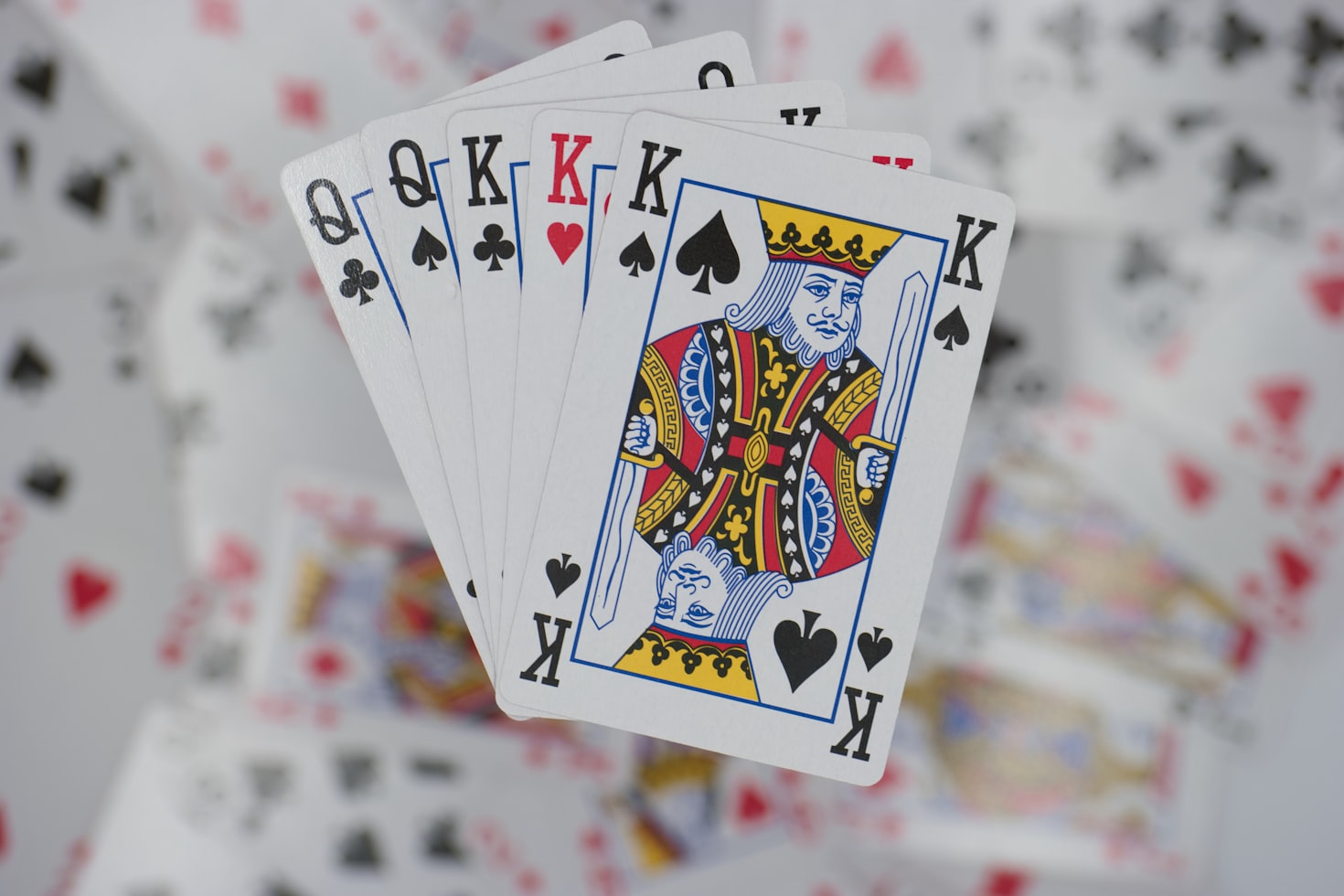
Your Guide to Fast Payout Casinos
As the gambling industry evolves, one important aspect that players often seek is quick and reliable payouts. Fast payout casinos have become increasingly popular, particularly among online gamers who want their winnings delivered promptly. These platforms prioritize efficiency in processing withdrawals, ensuring that players can enjoy their earnings without unnecessary delays.
A comprehensive guide to fast payout casinos provides invaluable insights into the top platforms that emphasize rapid withdrawal times. Players can find detailed reviews of various online casinos, complete with information about their withdrawal processes, game selections, and overall operational efficiencies. This resource serves to educate players, allowing them to make informed decisions that enhance their online gambling experience.
By focusing on modern fintech solutions and user-friendly interfaces, fast payout casinos are redefining the standards of online gaming. Players can now engage in their favorite games while enjoying the peace of mind that comes with knowing their winnings will be accessible in a timely manner. This evolution reflects the gambling industry’s commitment to enhancing player satisfaction and adapting to the demands of a digital-first world.